Futuring-in-Context
Uganda is a landlocked country in East Africa in the Great Lakes Region and along the Nile River Basin. With a population of around 49.6 million, 8.5 of which 8.5 live in the capital city of Kampala. Uganda has the world’s youngest national youth population with over 78%, or just under 8 million of its people below the age of 30.
Uganda also has one of the highest youth unemployment rates in sub-saharan Africa. Although Uganda is making strides economically, with a population that continues to grow at a rate of 3.2% annually, it faces significant challenges in meeting its young people’s needs today and anticipating and preparing for their challenges of tomorrow.
Young people in Uganda face huge economic, political and social challenges. According to the World Bank, while about 700,000 young people reach working age every year in the , on average only 75,000 jobs are created annually. This has resulted in cumulative frustration due to tough economic conditions and a feeling of missed opportunities to make it in life.
Country partners and participants
Futures Literacy Lab
Uganda Polak Game
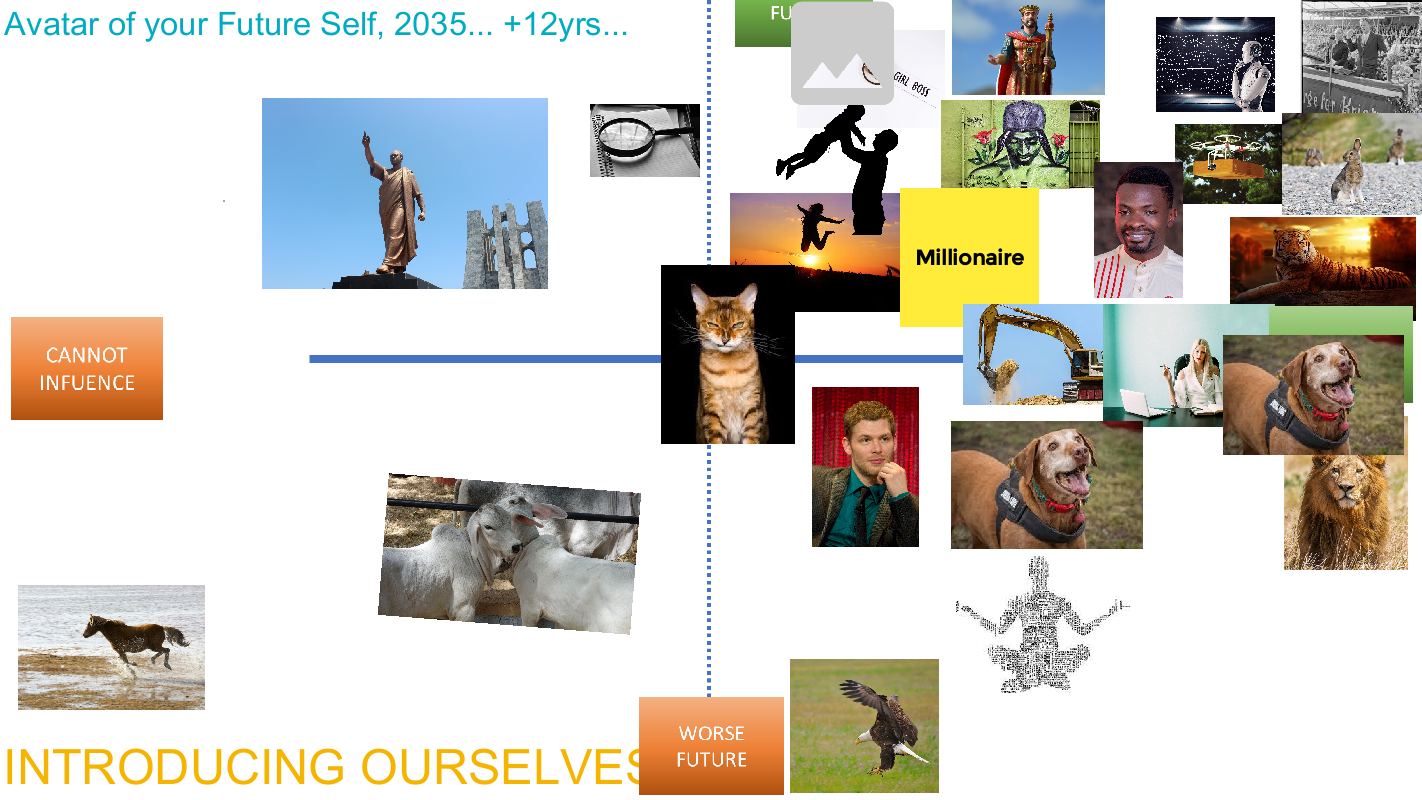
Our first experiment in the Futures Literacy Lab was designed to explore futures orientations. Ugandan youth were invited to share if they thought the futures would be better or worse, and to choose an avatar that represents them in the year 2035. Most youth participants thought the futures are brighter and to varying degrees, they could influence them. Their images include happy people, “Millionaire”, but no predominant themes.
Probable Futures 2035
“The Hoe Doesn’t Lie, But is It Tech-Friendly?”
These futures explored themes around Enkumbi Terimba, the hoe never goes wrong, representing the Ugandan commitment to agriculture as the backbone of their culture and economy. However, technological advancement seems necessary for survival and advancement. Ugandans wish to be free of colonial legacy, embrace new possibilities while honoring their roots
Desirable Futures 2035
“The 4th Estate“
The public has surpassed the press as the “4th Estate” where freedom of speech and access to information are human rights codified by laws and common Ugandans now control narratives. Renewable energies, universal access to healthcare, the end of tribalism and peaceful changes in leadership enable possibilities of Ugandans to embody values of “Umoja ni nguvu” – we are stronger together.
Reframe: “The Fluid Currency Society”
In 2035, Ugandans live in “The Fluid Currency Society”. Money is widely available and accessible to all. In fact, it’s flows so abundantly it’s not really worth much at all anymore. If money doesn’t make the world go round, how will people measure value, exchange, and meet their individual needs and those of their communities?

In Uganda 2035, “Africanicty Flows” meaning uniquely African ways of thinking, being, and doing thrive in the “Fluid Currency” society. Through metaphors like “Different colors’ one people” and “My life, my choice”, youth explored the possibilities of Ugandan life in a world where people can be “Hobbyists-at-large”, where value creation and exchanges comes in many different forms, the least important of which is actual money.
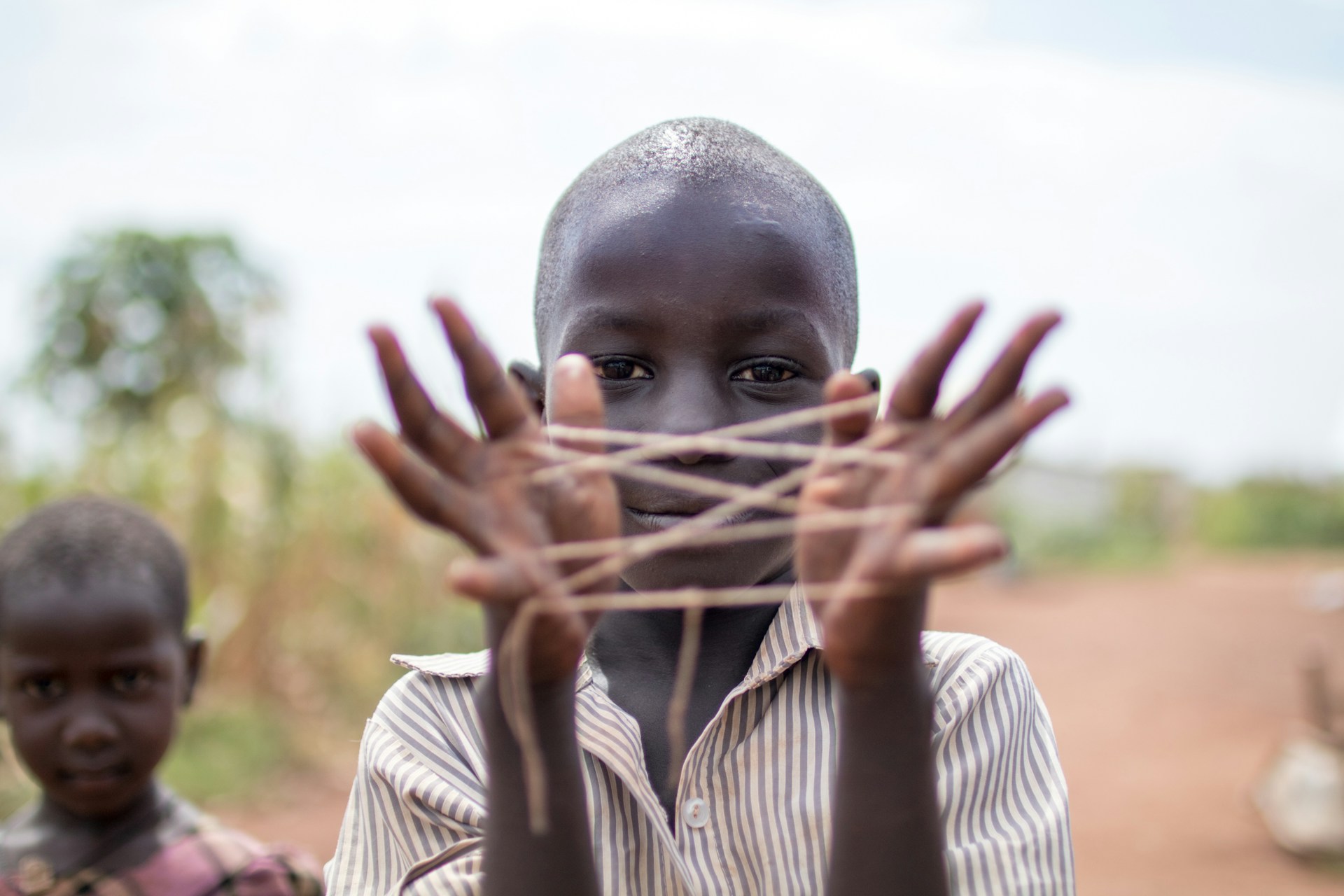
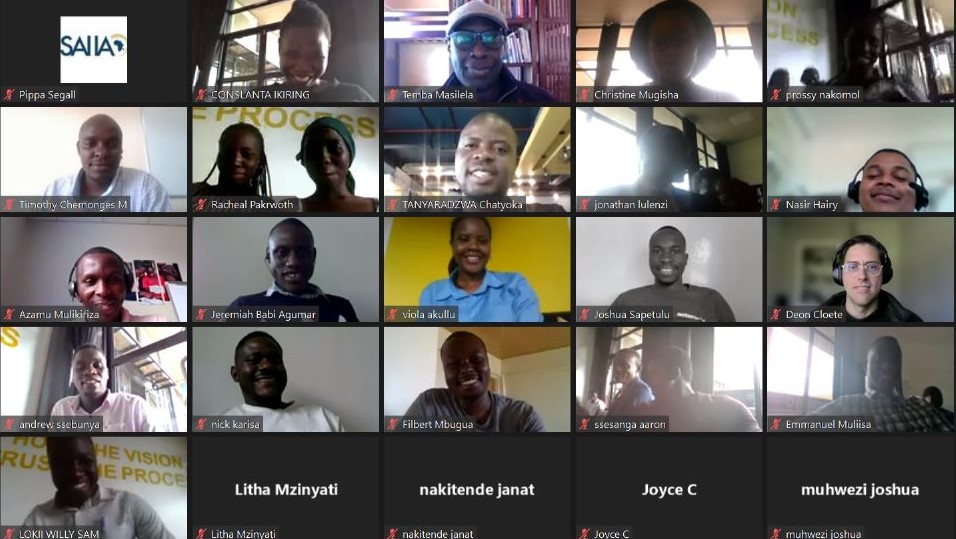
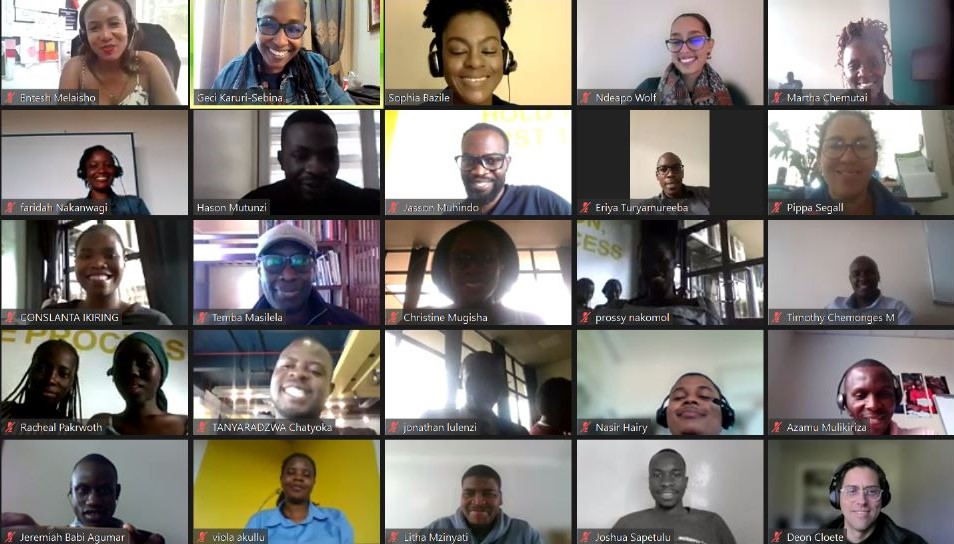
Enjoy a glimpse into our vibrant workshop spaces
Emerging Policy Issues Raised by Youth
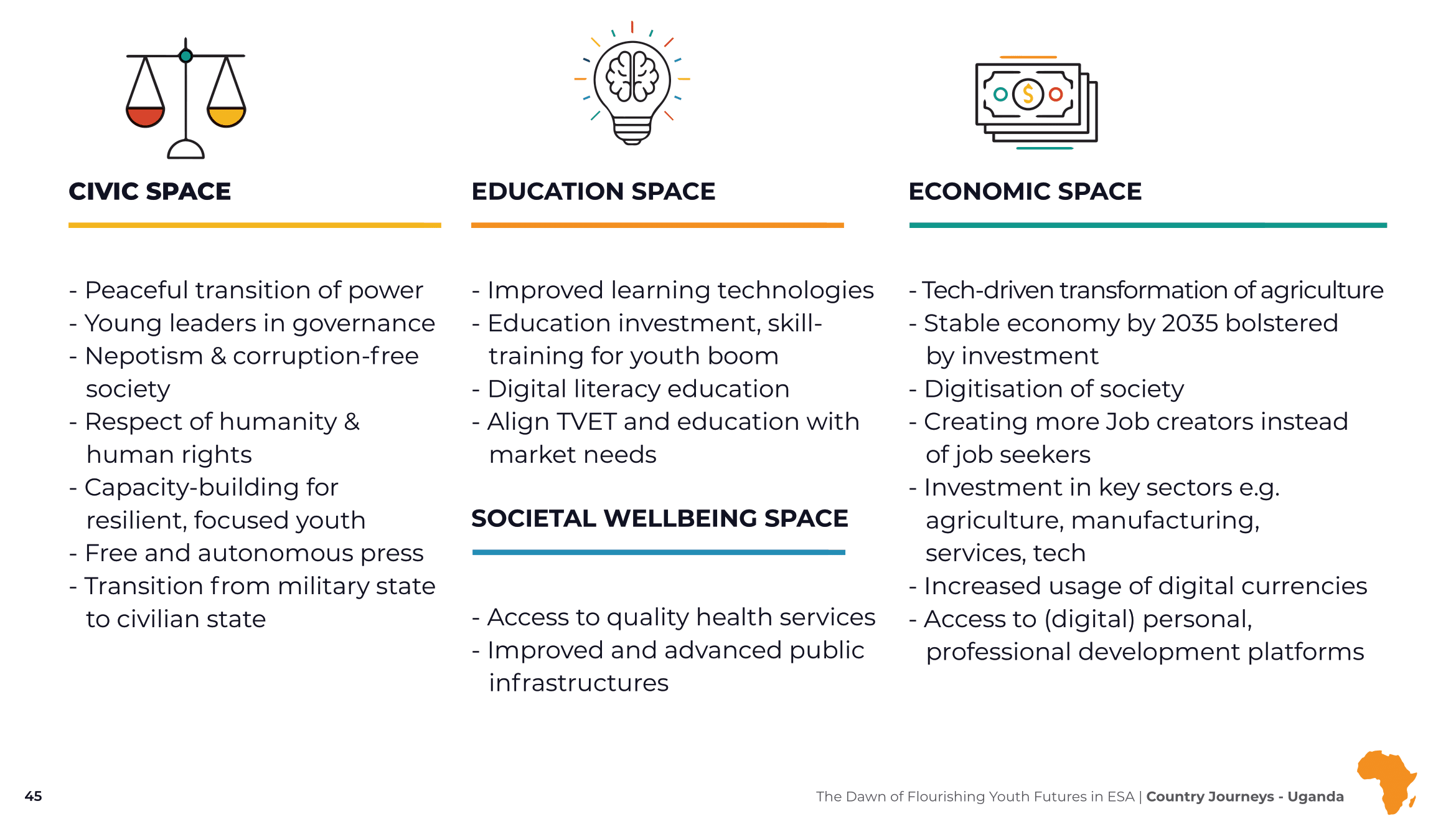
Uganda Vision 2035
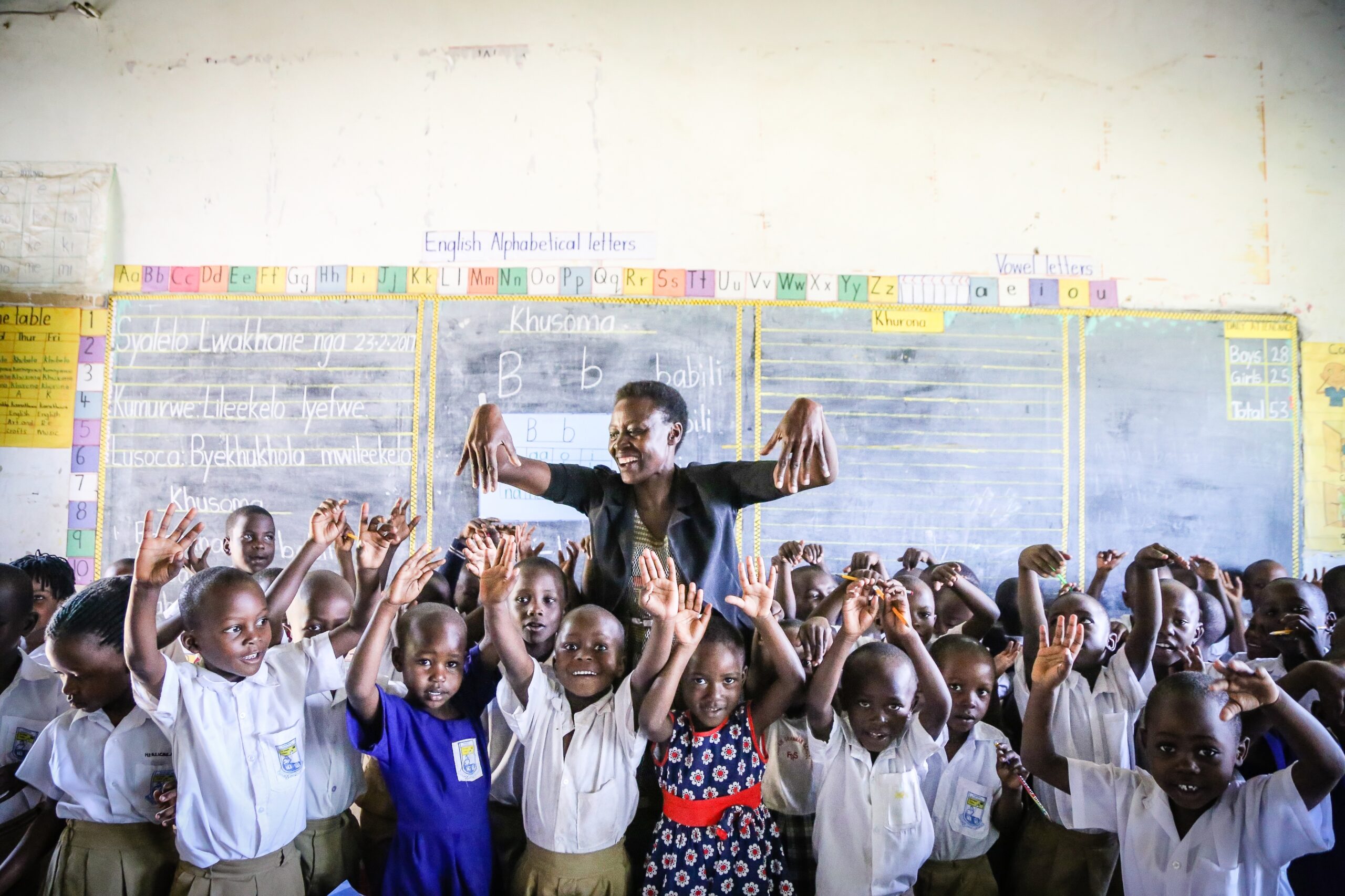
In 2023, Uganda grappled with multifaceted challenges, including a high rate of job seekers, an outdated education system, and inadequate healthcare infrastructure. However, amidst these hurdles, the youth of Uganda found inspiration in the successes of neighbouring countries and embarked on a transformative journey. They advocated for comprehensive changes, reimagining education with mandatory vocational training and promoting talent development. In agriculture and healthcare, they prioritized education, increased pay for health workers, and focused on disease prevention. Embracing technology, the youth initiated digital advancements, environmental policies, and innovations in waste management. While preserving key aspects of the old system, including peace, accessible education, and democratic principles, the Ugandan youth ushered in positive transformations. With improved education, infrastructure, and a thriving economy, Uganda emerged as a beacon of progress, demonstrating the power of innovation, conservation, and a united youth in shaping a hopeful future.