Project Background
The Youth Futures for Systemic Justice project (October 2024 to May 2025) addresses the systemic exclusion of young people from futures planning in East and Southern Africa. Moving beyond passive dialogue, it promotes action-oriented anticipation by equipping 36 young changemakers with practical skills in strategic innovation and relational systems thinking. This shifts the role of youth from passive recipients to active agents and ‘seeds’ of transformation, capable of both imagining and enacting more just futures.
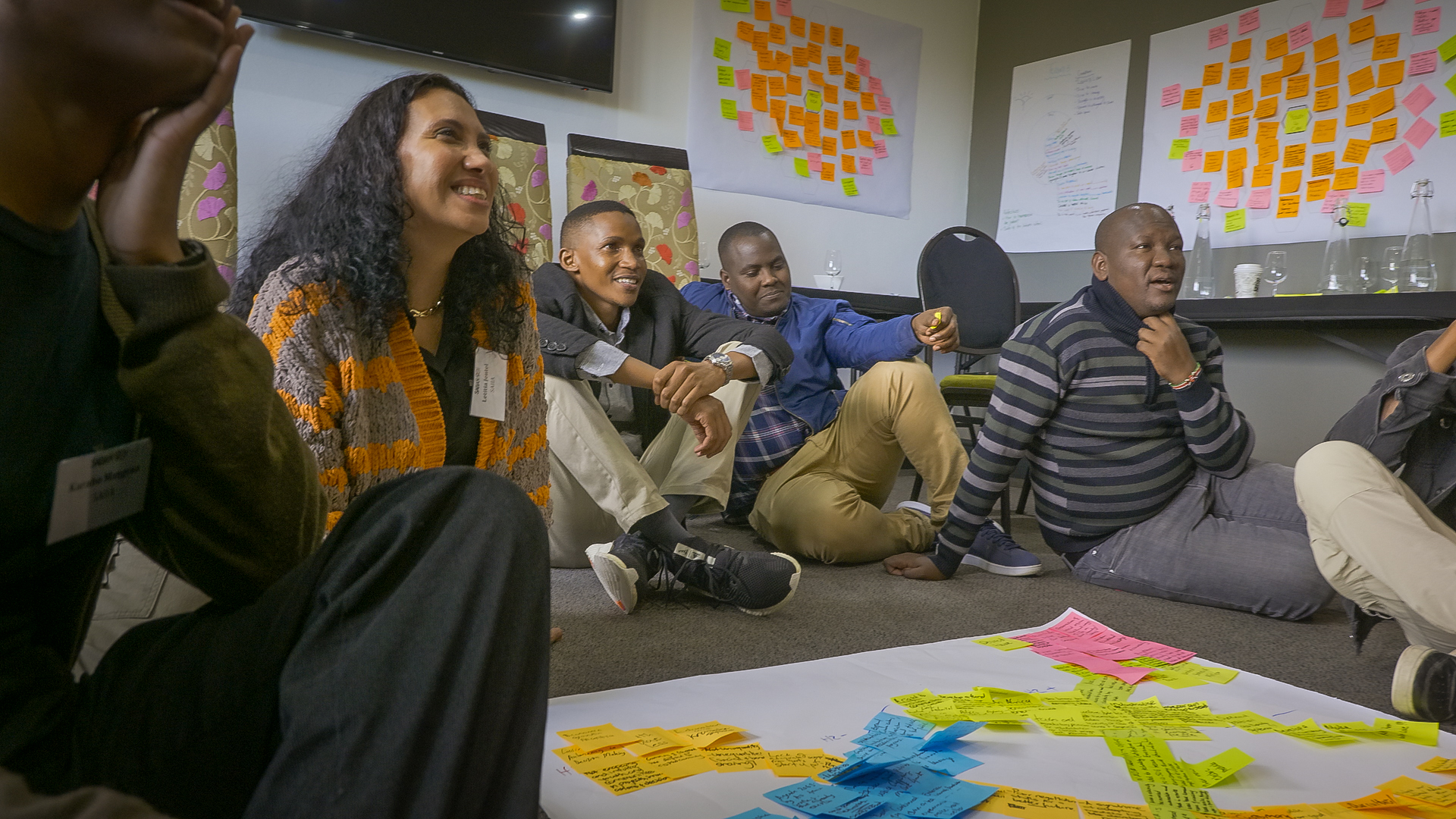
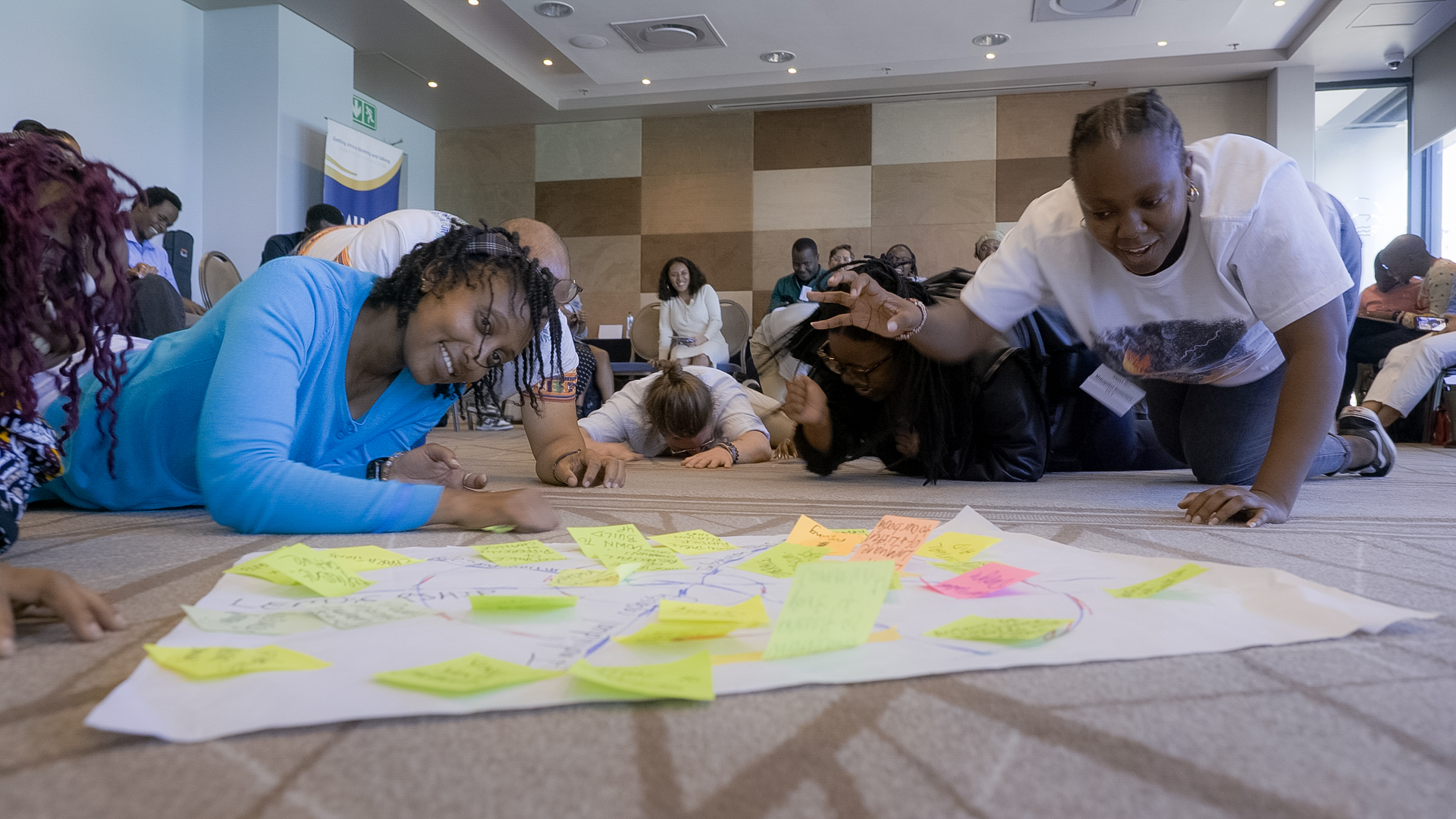
The project builds on the Seeds of Good Anthropocenes (SOGA) methodology, which identifies and strengthens hopeful grassroots innovations already being led by young people. The project also developed new methods to build anticipation practice with changemakers. Through in-person summits and virtual labs, participants used various systems and futures-thinking approaches to explore systemic challenges and build anticipation practice by prototyping new safe-to-fail experiments.
Methodology
Our approach is grounded in Anticipation as Practice and the Seeds of Good Anthropocenes framework. Rather than viewing youth initiatives as responses to problems, we see them as ‘seeds’ – hopeful, community-based alternatives already driving positive change for people and the planet.
We supported these seeds through five interconnected strategies:
- Anticipatory thinking – Young people explored systemic causes, challenged dominant narratives, imagined new possibilities and worked with future alternatives using methods such as causal layered analysis and the Three Horizons Framework. This allowed them to reframe issues such as menstrual health as collective concerns rather than personal burdens.
- Learning through experimentation – Youth Futures Labs provided space for real-world testing and adaptation. Participants responded to emerging needs by, for instance, combining climate grief support with agroecology projects or setting up local barter systems.
- Building networks for change – Community radio, alumni circles and peer learning spaces enabled connection across countries and generations, creating opportunities for shared learning and mutual support.
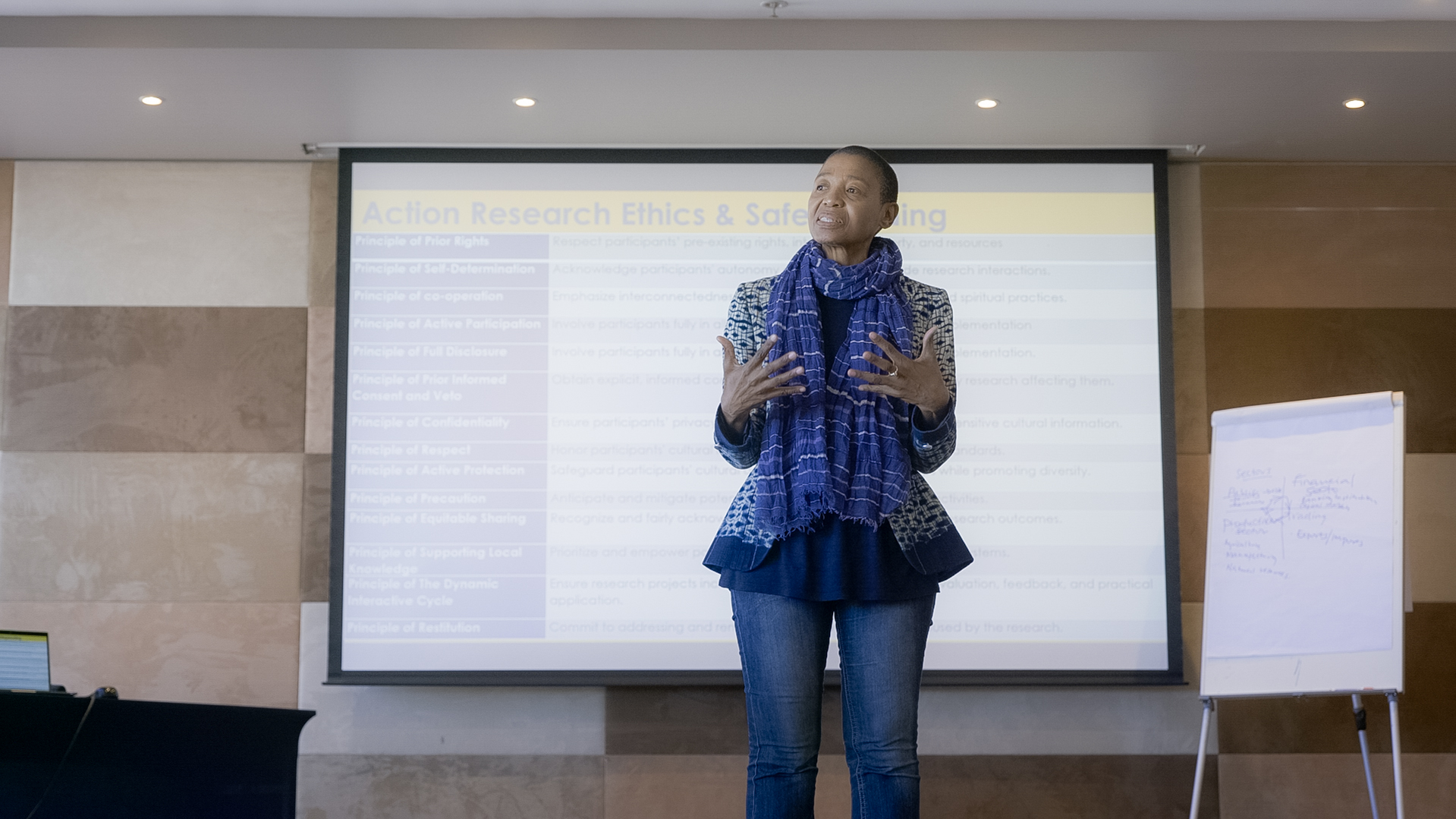
- Action research – Young people were full participants and co-creators of knowledge. They uncovered futures already present in their communities and expressed their insights through storytelling, experimentation and reflective practice.
- Shared responsibility for the future – The project fostered a collective mindset, moving responsibility for change from individuals to communities. This approach encouraged long-term thinking rooted in care, justice and resilience.
Rather than aiming for fixed results, we followed how trust was built, drew on local knowledge systems and developed the confidence to lead change. Anticipation was not treated as a method to apply but as a way of thinking, relating and acting. Youth were not learning about change; they were making it happen.
Seeds, Changemakers and Researchers
The Partners


Summit Photos
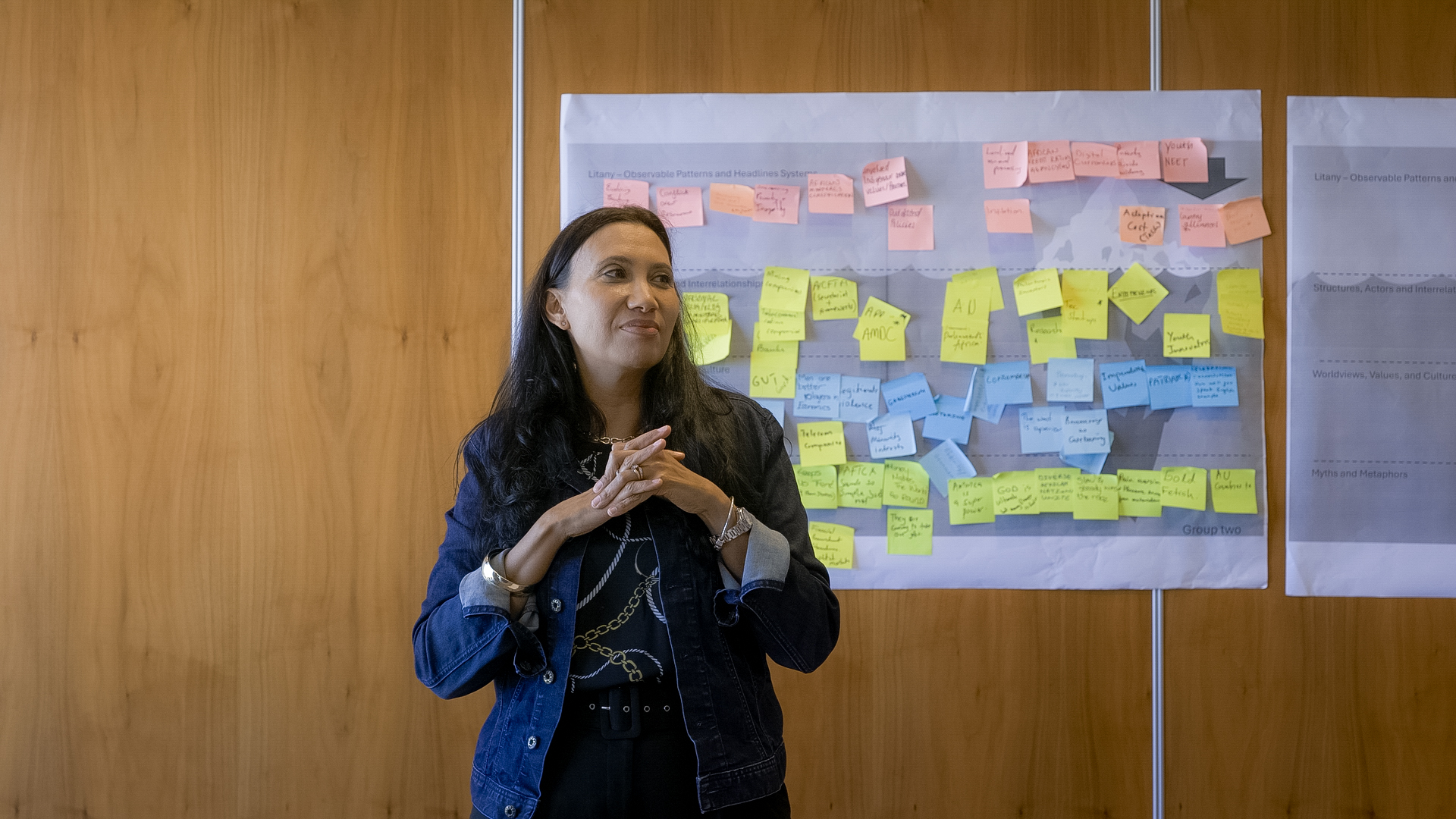
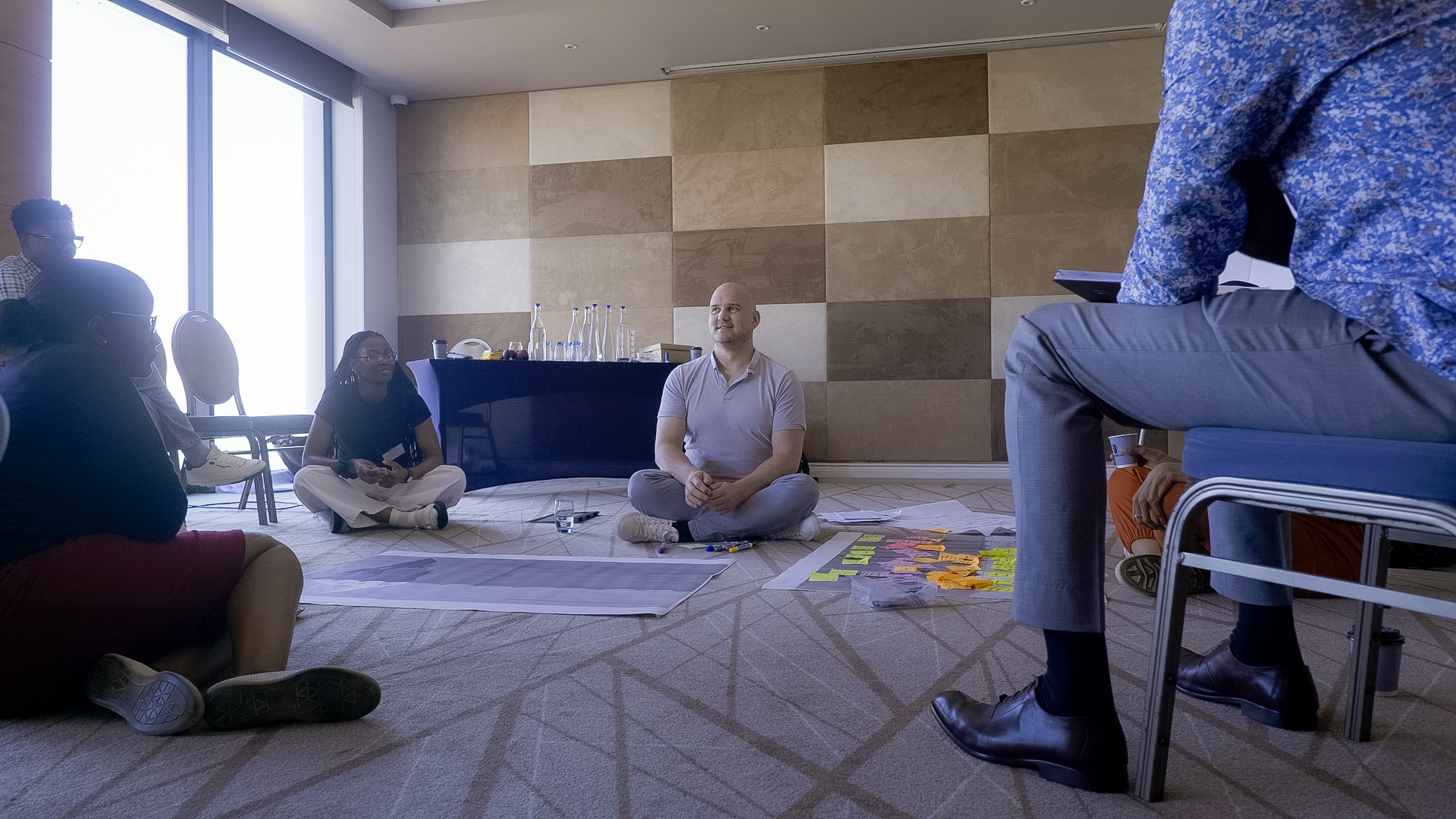
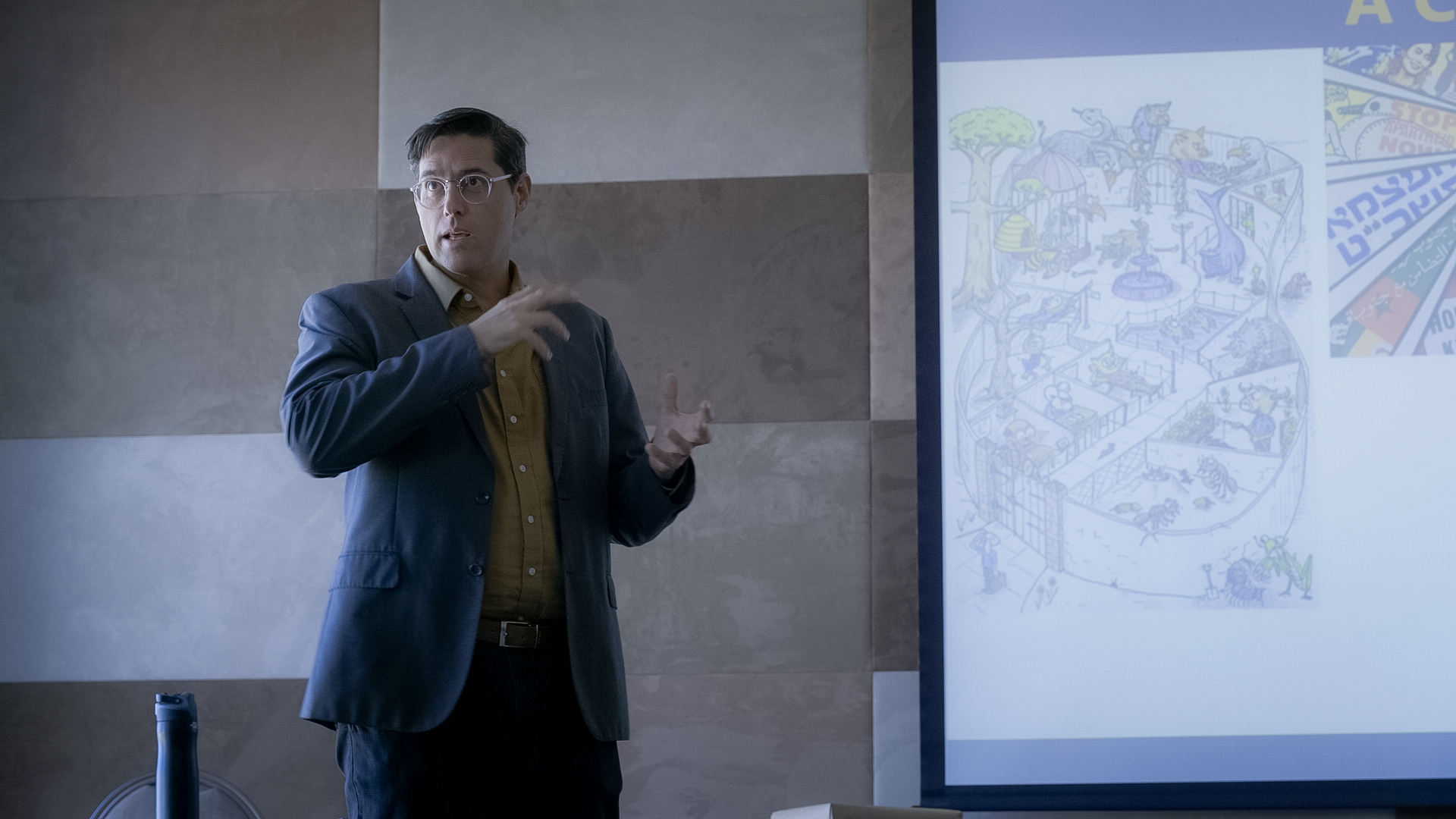
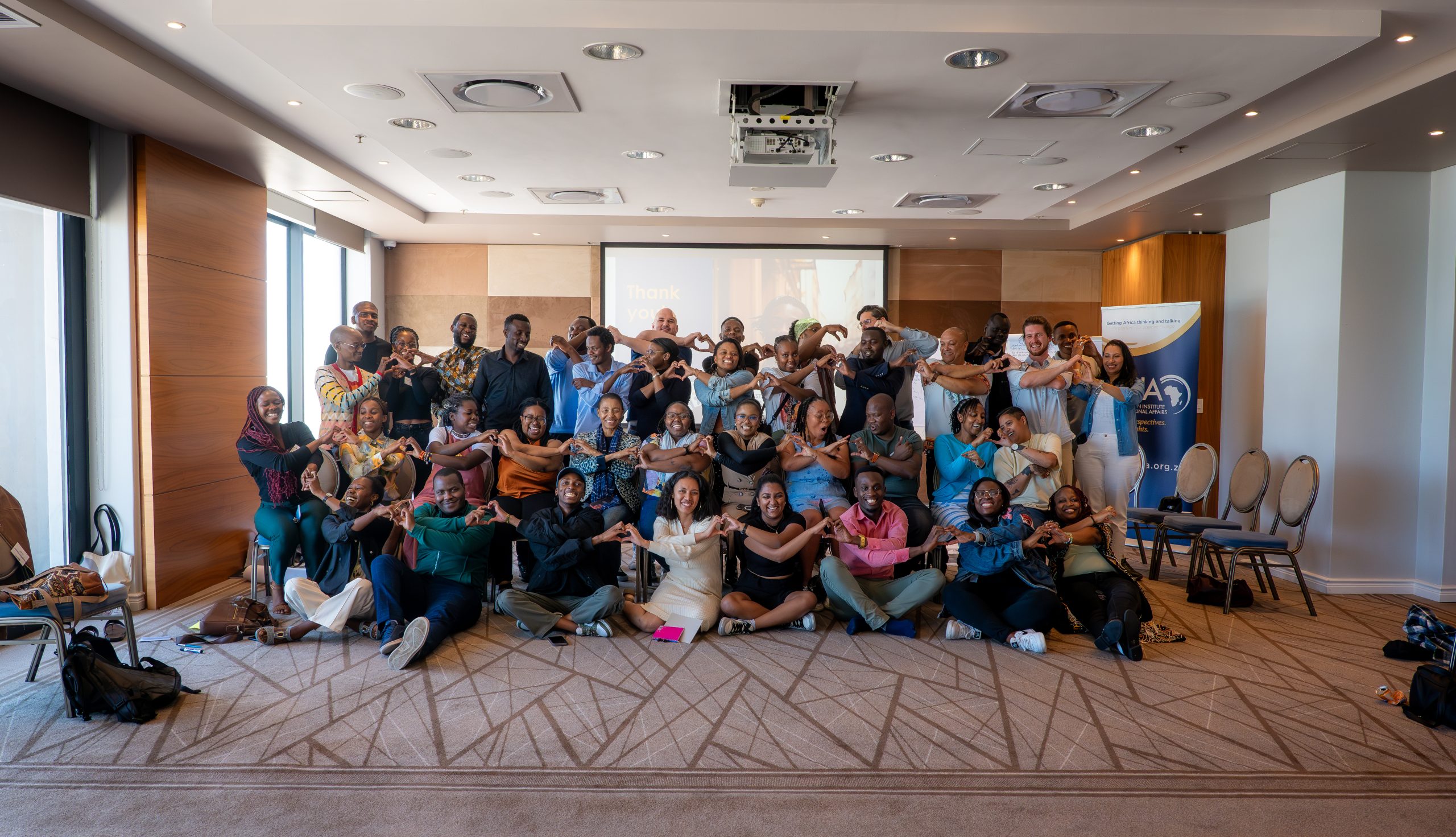
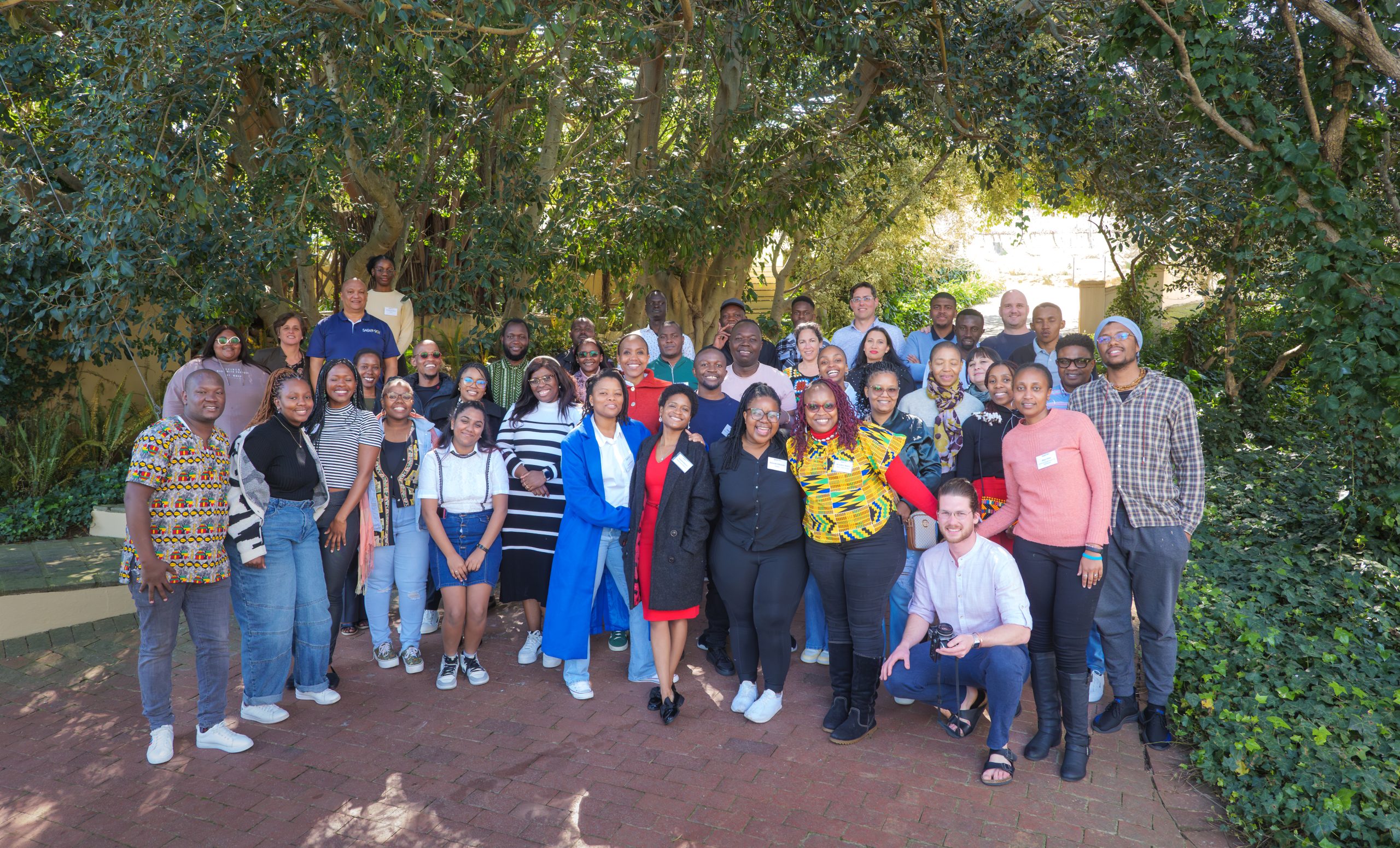
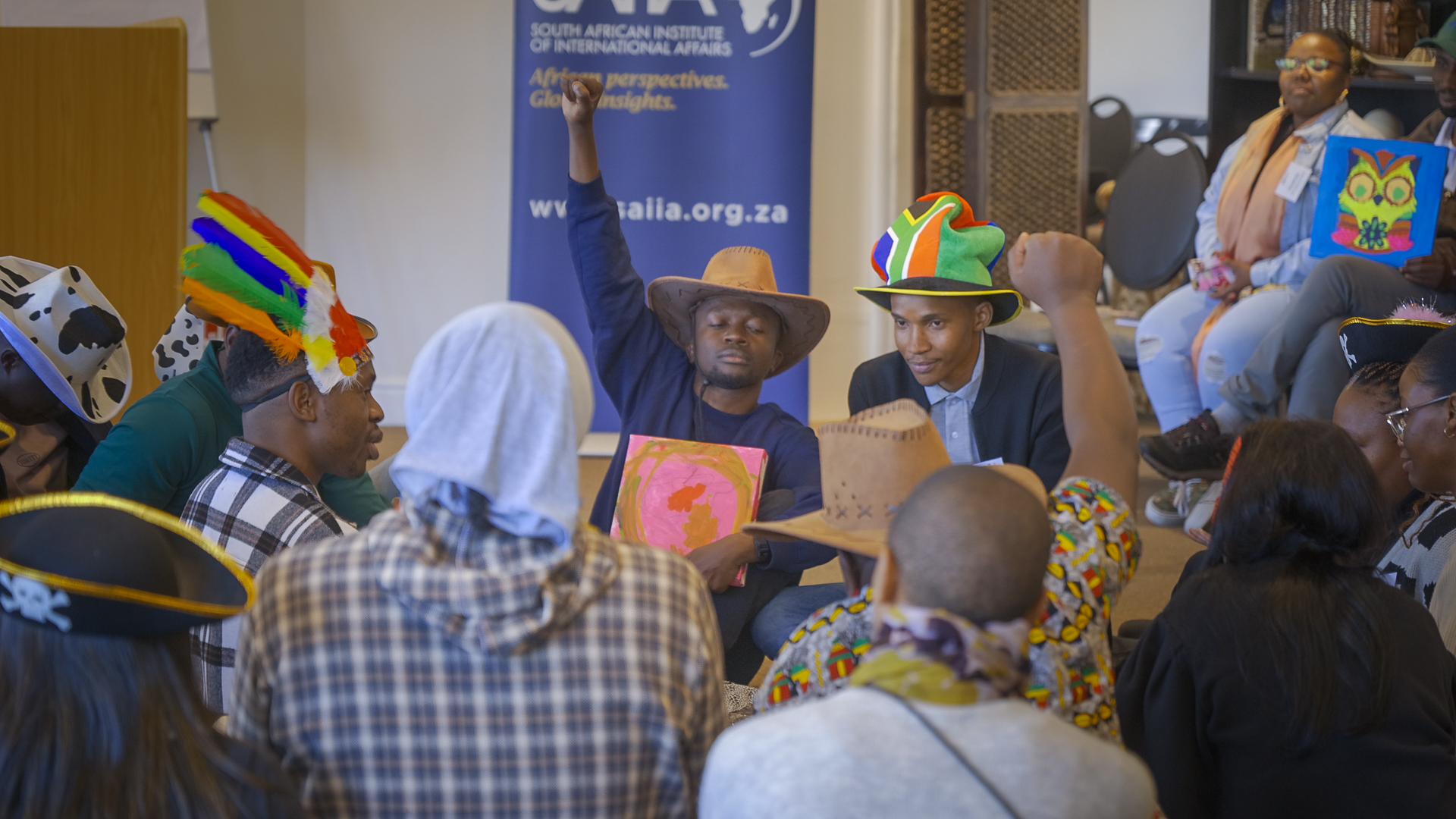
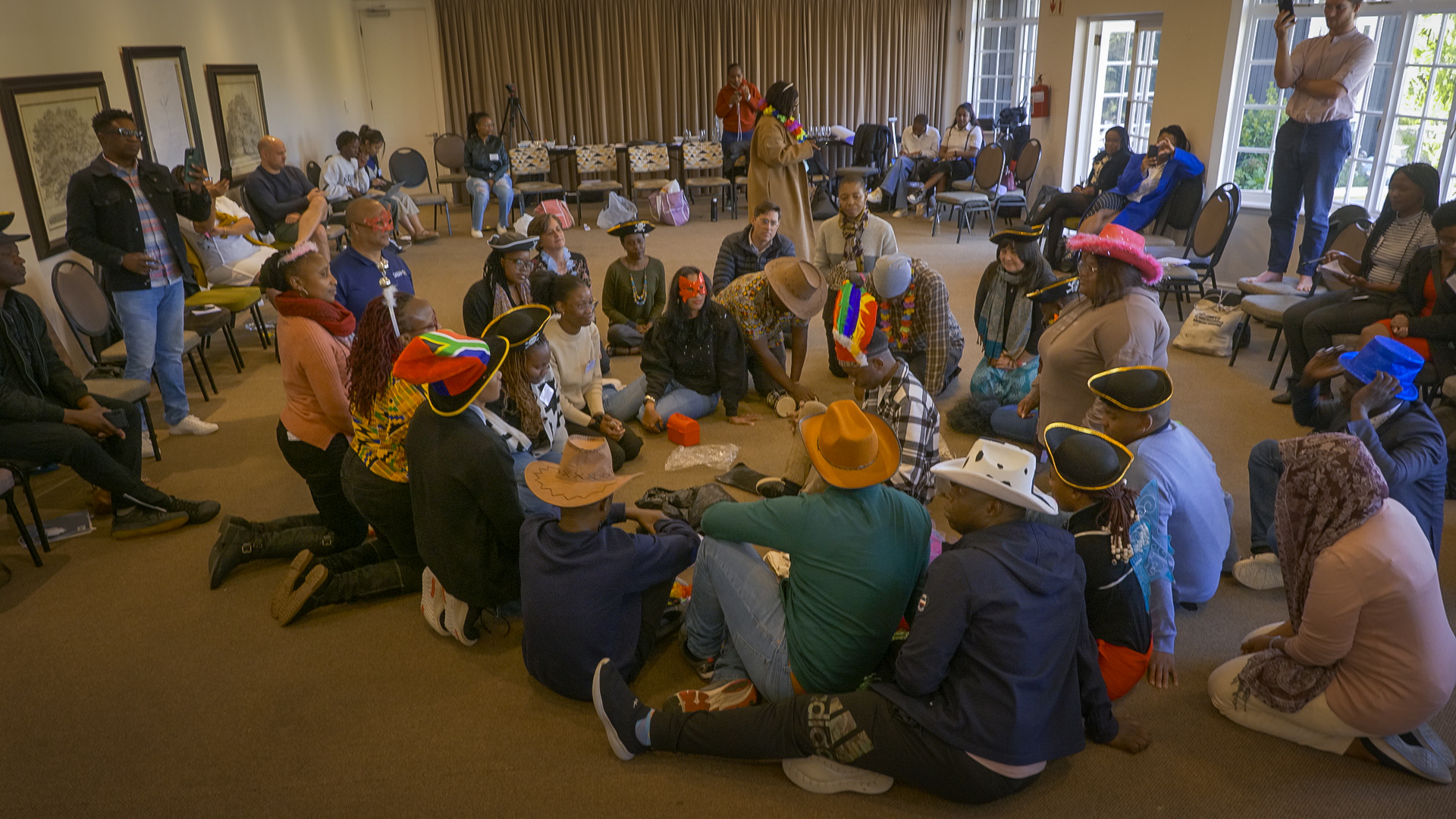
Summits
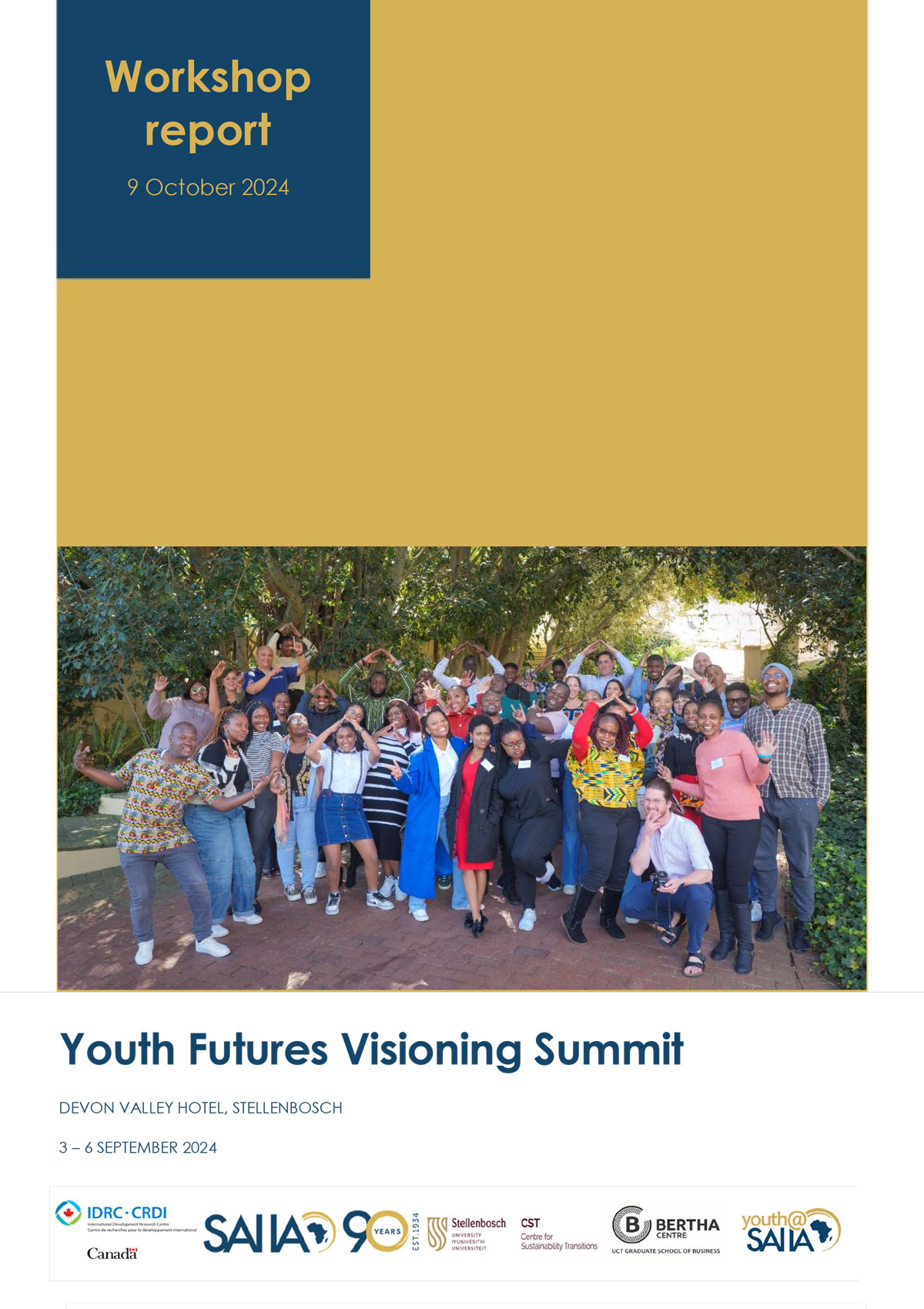
View Publications
Read the special report