Futuring-in-Context
South Africa Country Profile
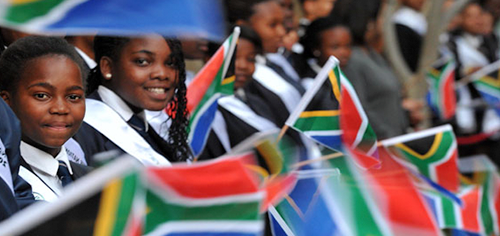
South Africa, nearly 30 years post-apartheid, grapples with paradoxes. While its GDP qualifies it as upper middle-income, wealth disparity is stark, with the top 10% holding much of the wealth. Despite democratic strides, colonial and apartheid legacies persist, evident in stark educational and opportunity disparities. President Ramaphosa’s optimistic narrative contrasts with harsh realities: high unemployment, food insecurity, gender-based violence, educational deficits, and climate threats. Distrust in governance grows due to corruption scandals like State Capture and COVID-19 fund mismanagement. Youth face heightened challenges: insufficient job readiness, a skills-jobs mismatch, and political disenfranchisement despite being touted as the future. Despite initiatives, youth concerns persist. Solutions demand revisiting strategies to address youth needs and envisioning alternative futures fostering inclusivity and opportunity.
Country partners and participants
Futures Literacy Lab
South Africa Polak Game
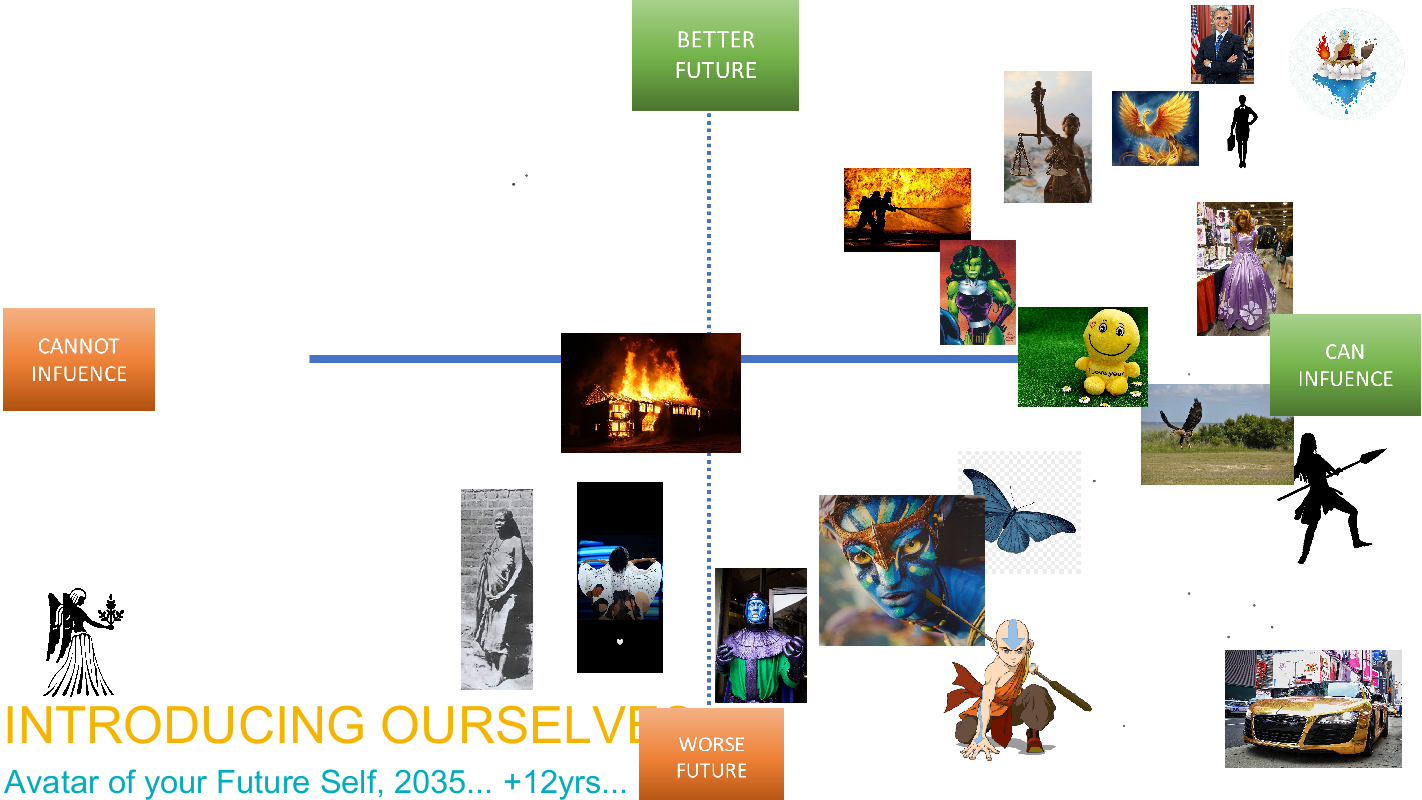
Our first experiment in the Futures Literacy Lab was designed to explore futures orientations. South African youth were invited to share if they thought the futures would be better or worse, and choose an avatar that represents them in the year 2035. While they were split regarding if the world would be better or worse, a majority of South African youth felt they could influence the futures. Images included warriors or fighters, and birds such as a phoenix and an eagle.
Probable Futures 2035
“No Saviours”
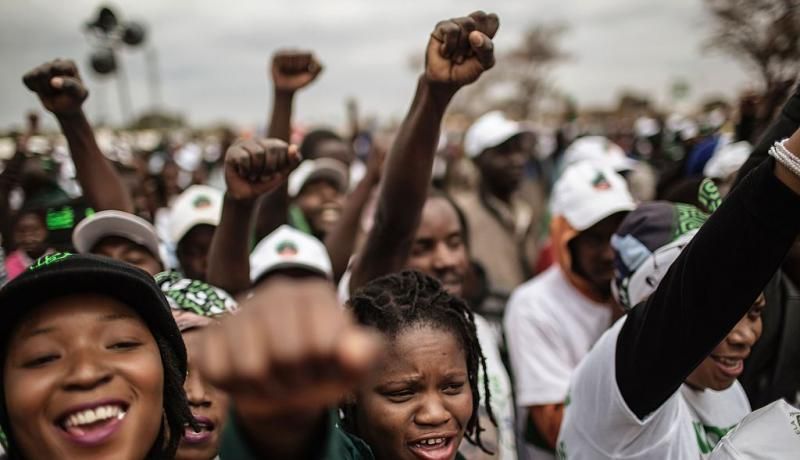
While there are many challenges, South African youth are leaders and activists who continue to fight for opportunities and lives of dignity. They advocate for important causes and improving their livelihoods.
Desirable Futures 2035
“Rising Tides Lift All Boats”
Empowered youth, social and economic equality, justice, safety, security, democratic values, and an end to marginalisation based on race and identity enabled prosperous futures for South African society.
Reframe 2035:
“Token-Based Future”
In this token-based futures, all citizens are born with an equal number of tokens, and thus, are born with equal access to everything in society. From healthcare, to education, and other services and needs, everyone starts out with identical token provisions.
Imagining an equal access, token-based future South Africa…
South African youth explored new imaginaries through metaphors like “Not a Dream Deferred, But a Dream Realised” and “Better Together”. In a world where all are born with equal access there are equal opportunities, equitable experiences for all, and finally – a sustainable world for all Black people.
Emerging Policy Issues Raised by Youth
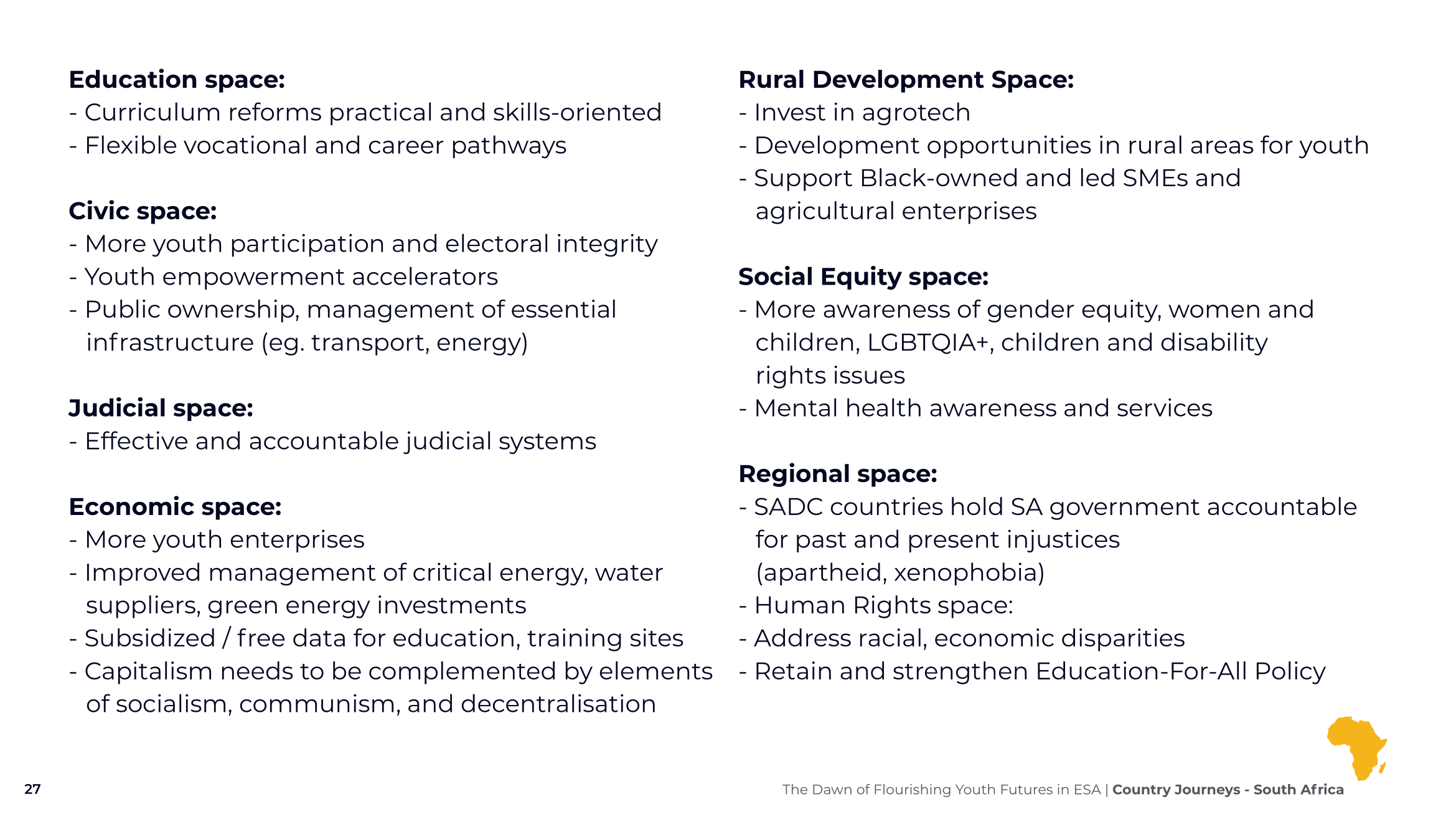
South Africa Vision 2035
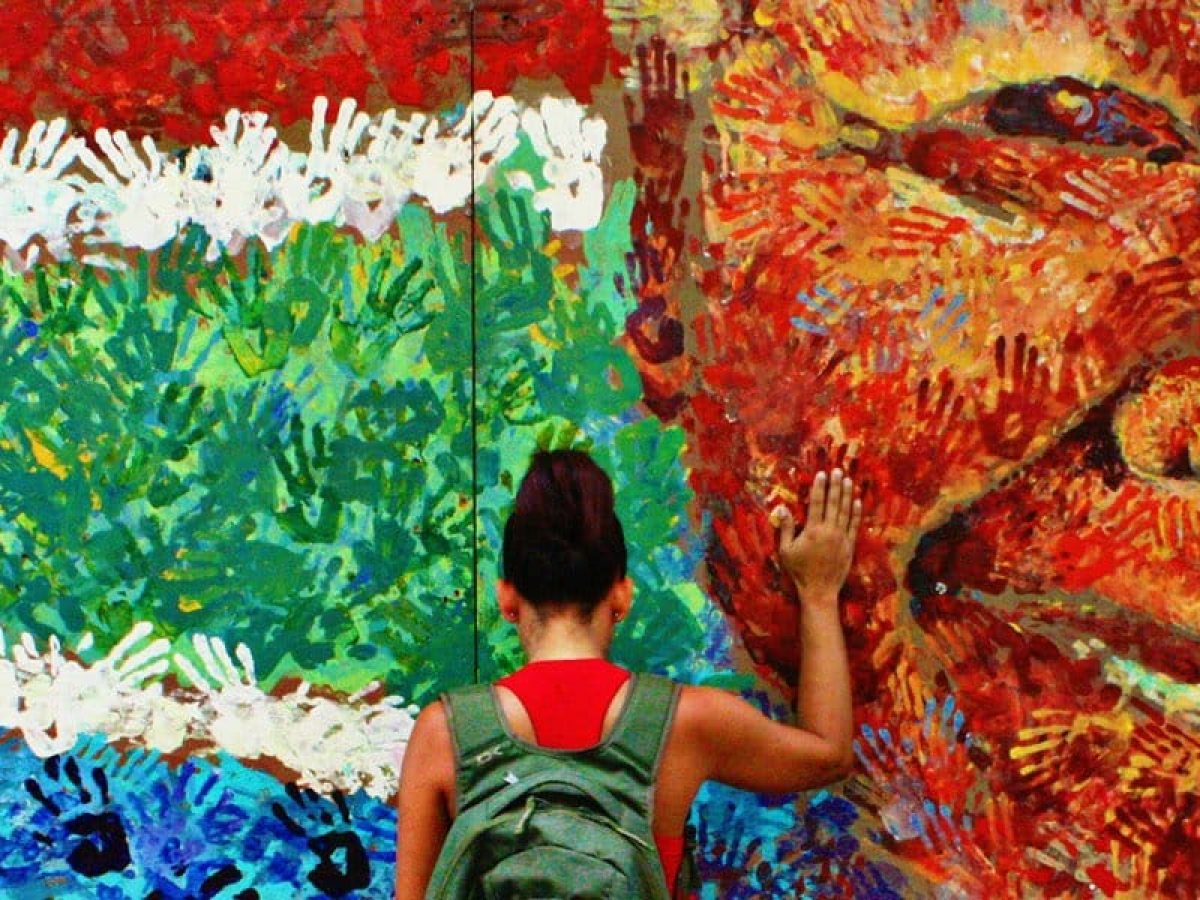
In 2023, in the midst of rampant youth unemployment, increasing inequality, failing political system and other challenges, South Africa’s future took a bold turn toward hope. Despite poor governance and struggling healthcare and education systems, seeds of progress emerged. The African Biosafety Network of Expertise and a novel development curriculum signaled monumental strides. Mobile clinics and technological innovations like the Zuri Chatbot transformed healthcare and crime reporting. Overcoming barriers to internet access, South Africa embraced competency-based education, preserving the legacy of free education and accessible healthcare. Cultural heritage thrived, connecting the past to a revitalized present. The winds of innovation ushered in a society where the youth led, education empowered, and healthcare flourished. South Africa’s future, painted with vibrant strokes of progress and unity, became a harmonious symphony of promise and potential, realized through collaborative efforts and a determination to embrace change for the prosperity of all.